
Beyond Square Footage: Designing Multi-Functional Spaces in Your Home Remodel
Updated: Jul 25, 2025
In today's fast-paced world, maximizing every square inch in our homes has become more important than ever. Whether you're living in a compact apartment or a spacious house, the challenge remains: how can you effectively utilize your space without physically expanding it? Fear not—this blog will explore creative and innovative ways to design multi-functional spaces in your home remodel.
From Murphy beds to hidden desks, let's dive into some clever ideas to transform your living areas into practical, stylish spaces that adapt to your needs.
1. Embrace the Murphy Bed
Murphy beds have been around for decades, but they remain one of the most effective space-saving solutions for small homes. These fold-down beds allow you to convert a guest room into a versatile living area seamlessly.
Imagine hosting friends for the weekend, but during the week, you want that same room to serve as a home gym or a cozy office. With a Murphy bed installation, this becomes a reality. Simply fold the bed up into the wall when not in use for a more open floor space.
With modern designs, Murphy beds can be crafted to fit the aesthetic of any room, integrating additional shelving or cabinets that enhance the visual appeal.
2. Create Hidden Desk Solutions
As more individuals work from home, finding a designated workspace can be a challenge, especially in smaller homes. A hidden desk solution is an excellent way to keep your office necessities tucked away when not in use.
Consider installing a wall-mounted fold-down desk that allows you to create a functional workspace with minimal effort. These are often designed to be compact and stylish, offering shelves or drawers for added storage.
When work is done, fold it down and reclaim your space! The transformation not only helps maintain organization but also preserves your home's aesthetic and functionality.
3. Optimize Built-In Storage Ideas
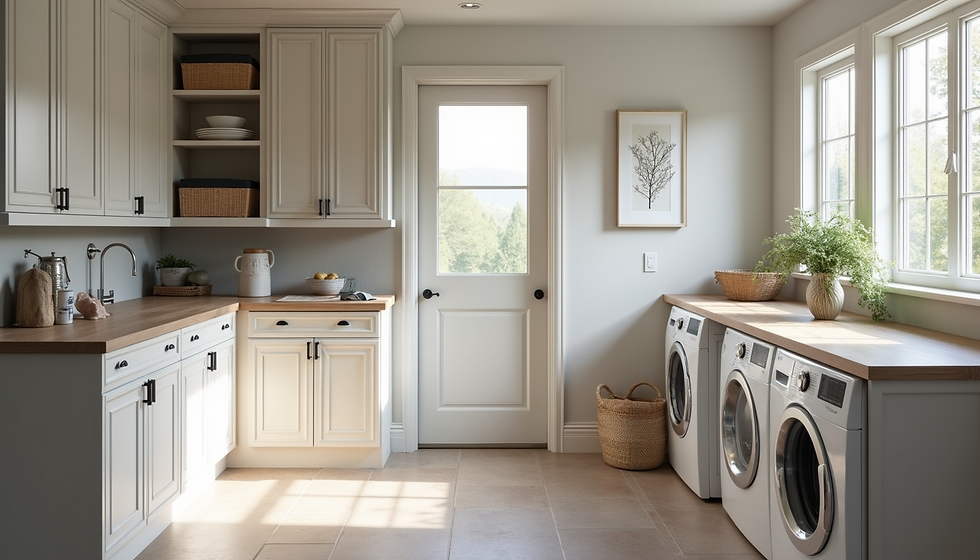
Built-in storage is an ingenious way to maximize space without cramping your style. Designing custom shelves, benches, or cabinets into your home’s architecture can add both functionality and beauty.
In entryways, consider building a bench with integrated storage underneath. This clever solution allows you to stow away shoes, bags, or other everyday items while providing a comfortable spot to sit.
In living rooms, built-in shelving units can house books, decor, and entertainment systems, eliminating the need for bulky furniture that takes up unnecessary space.
4. Flexible Room Dividers
In modern homes, open-concept layouts have gained popularity, but sometimes you'll want to create distinct zones within those spaces. Flexible room dividers can be the perfect answer.
Think about using sliding panels, curtains, or even bookshelves to create visually separate areas for different activities, like relaxation and work. Room dividers can offer flexibility—if you like it open one day, you can easily close it off the next for privacy or to create a cozier atmosphere.
This approach allows you to define spaces within your home without the commitment of permanent walls, offering the ultimate in adaptability.
5. Transform Guest Rooms into Dual-Purpose Offices
Guest rooms don't have to remain dormant when visitors are not around. By transforming a guest room into a dual-purpose office, you can gain valuable workspace while maintaining functionality for guests.
Incorporate a sturdy desk and some stylish storage that complements the room's decor. Include a fold-out couch or a Murphy bed for nighttime use, ensuring guests are comfortable without sacrificing your workspace during the day.
With a few thoughtful design choices, your guest room can seamlessly double as an efficient office, giving you the best of both worlds.
6. Create Flexible Zones in Open-Concept Layouts
Open-concept living spaces can sometimes feel vast and undefined. However, with a few clever design strategies, you can create flexible zones that serve different purposes within the same area.
Use area rugs to define spaces; for example, place a soft rug beneath a dining table to create a dining zone. Incorporate furniture strategically to delineate areas without using physical barriers.
Consider using furniture that can adapt to your needs—like ottomans that can serve as coffee tables and extra seating, or stackable chairs that can be stowed away easily. Flexibility in design is key to making your open space feel more functional.
7. Implement Smart Storage Solutions
Even the smallest homes can benefit from creative storage solutions. For instance, think about using vertical space to your advantage: install shelves high on walls to store rarely-used items, or consider furniture that doubles as storage—like a coffee table with drawers.
You can also utilize the often-overlooked areas, such as under your stairs or above cabinets, to stow away items. Creative cabinets can create a flow in your small home design ideas while keeping everything organized.
Conclusion
Designing multi-functional spaces in your home remodel doesn't require expanding your square footage; instead, it demands creativity and thoughtful planning. By implementing clever solutions like Murphy beds, hidden desks, built-in storage, flexible room dividers, and dual-purpose areas, you can make the most of your existing space.
As you embark on this journey, remember that each choice you make should reflect your lifestyle and needs, ensuring your home is not just beautiful but also functional. With these strategies at your disposal, you'll create a living environment that adapts to any occasion—maximizing both style and utility.



Comments