
Maximizing Space Planning: Custom Cabinetry and Durable Design for Multi-Functional Rooms
Creating a room that serves more than one purpose can be a challenge, especially when it comes to combining a mudroom and laundry room. These spaces often require different functions but share the need for organization, durability, and efficiency. Designing a mudroom laundry room combo that works well means careful space planning, smart cabinetry, and choosing materials that stand up to daily wear. This post explores how to build an ultimate utility room that balances style and function, focusing on custom cabinetry, durable flooring, ventilation, and zoning.

Designing Custom Cabinetry for Organization
One of the biggest challenges in a combined mudroom and laundry space is keeping everything organized. Custom cabinetry is the key to achieving this. Unlike standard cabinets, custom mudroom built-ins can be tailored to fit your specific needs and space constraints.
Tailored storage solutions: Include cubbies for shoes, hooks for coats, and drawers for laundry supplies. This keeps clutter off the floor and surfaces.
Multi-level shelving: Use adjustable shelves to accommodate different items, from detergent bottles to backpacks.
Integrated seating: A built-in bench with storage underneath offers a spot to sit while putting on shoes and keeps items hidden but accessible.
Laundry-specific compartments: Designate spaces for sorting laundry, such as pull-out hampers or baskets, to streamline laundry room organization.
Custom cabinetry not only maximizes storage but also creates a cohesive look that ties the two functions together. It supports maximizing laundry space by using every inch efficiently.
Choosing Durable Flooring for High-Traffic Areas
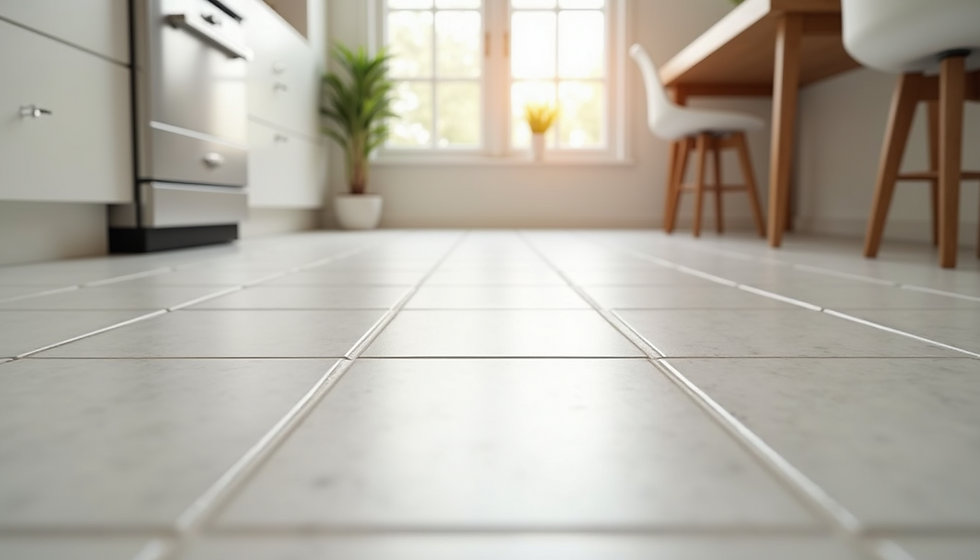
The flooring in a combined mudroom laundry room must withstand moisture, dirt, and heavy foot traffic. Durable mudroom flooring is essential to maintain the room’s appearance and functionality over time.
Materials to consider: Porcelain tile, luxury vinyl plank, and sealed concrete are excellent choices. They resist water and stains and are easy to clean.
Slip resistance: Choose flooring with a textured surface to prevent slips, especially when the floor is wet.
Comfort underfoot: Add cushioned mats in front of the washer and dryer or near the entry to reduce fatigue during chores.
Zoning with flooring: Use different flooring materials or patterns to visually separate the mudroom area from the laundry zone, helping to define each space.
Durable flooring supports the family efficiency design by reducing maintenance and keeping the space safe and welcoming.
Ventilation and Airflow Considerations
Laundry rooms generate heat and moisture, which can cause mold and damage if not properly ventilated. When combined with a mudroom, ventilation needs become even more important.
Install a powerful exhaust fan: This removes excess humidity from the laundry area quickly.
Use vented dryers: Ensure dryer vents lead outside to prevent moisture buildup.
Consider air circulation: If possible, add windows or vents near the mudroom entry to allow fresh air in and reduce odors.
Humidity sensors: Some modern fans come with sensors that turn on automatically when moisture levels rise.
Good ventilation protects your investment in cabinetry and flooring, keeping the ultimate utility room fresh and functional.
Creating Separate Zones Within One Room
A successful functional laundry room design in a combined space depends on clear zones for each activity. This separation helps family members move efficiently and reduces clutter.
Entry and storage zone: Near the door, place hooks, cubbies, and benches for coats, shoes, and bags. This keeps outdoor mess contained.
Laundry zone: Position the washer, dryer, and folding area together. Include countertop space for sorting and folding clothes.
Transition space: Leave enough room between zones for easy movement. Avoid crowding appliances and storage.
Visual cues: Use lighting, color, or flooring changes to mark different zones. For example, brighter lighting over the laundry machines and softer lighting near the mudroom seating.
By defining zones, you improve laundry room organization and make the space more inviting and practical.
Practical Tips for Maximizing Laundry Space
Here are some actionable ideas to get the most out of your combined mudroom laundry room combo:
Use vertical space with tall cabinets or open shelves.
Install a fold-down ironing board inside a cabinet door.
Add hooks for hanging wet coats or delicates.
Incorporate pull-out hampers to keep dirty laundry out of sight.
Choose stackable washer and dryer units if floor space is limited.
Use baskets or bins labeled for each family member to simplify sorting.
These strategies support maximizing laundry space and help maintain order in a busy household.
Combining a mudroom and laundry room into one well-planned space requires thoughtful design. Custom cabinetry tailored to your needs, durable flooring that stands up to wear, proper ventilation, and clear zoning all contribute to a family efficiency design that works day after day. With these elements in place, your integrated mudroom and laundry space becomes more than just a utility area—it becomes a well-organized, durable, and welcoming part of your home.
Start by assessing your family’s habits and storage needs, then work with a designer or contractor to create custom mudroom built-ins that fit your lifestyle. Choose flooring that balances durability and comfort, and don’t overlook ventilation to keep the space fresh. Finally, define zones clearly to keep everything running smoothly.


Comments