
Exploring Flooring Options for Your Interior Remodel: Pros and Cons of Different Types
Choosing the right flooring is a vital part of any interior remodel. The flooring you select can dramatically change the look and feel of your space. It also affects durability, maintenance needs, and overall functionality. With so many options available, it's essential to weigh the pros and cons of each type. This guide will explore four common flooring types—hardwood, tile, luxury vinyl plank (LVP), and carpet—to help you make a well-informed choice.
Hardwood Flooring
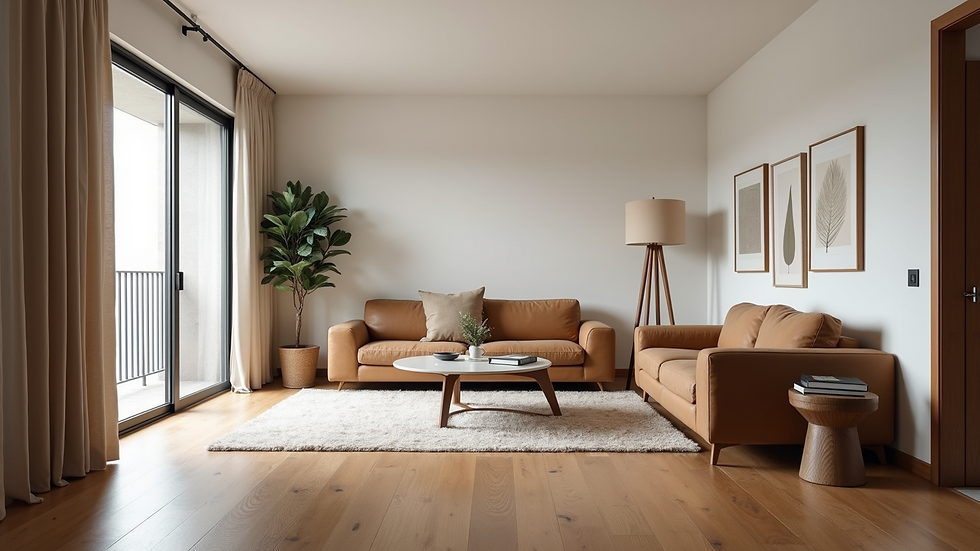
Hardwood flooring is often seen as one of the most desirable options for homeowners. It brings warmth and elegance to any room and can significantly boost your home's resale value.
Pros
Aesthetic Appeal: Hardwood floors have a classic elegance that suits both traditional and modern homes. About 54% of homebuyers prefer hardwood floors over other materials, according to recent surveys.
Durability: With proper care, hardwood floors can last over 30 years. Many homeowners enjoy the benefits of a long-lasting investment.
Easy Maintenance: Basic care involves regular sweeping and the occasional refinishing. This keeps hardwood looking its best without complicated cleaning routines.
Cons
Cost: The initial expense for hardwood can be high. On average, homeowners can expect to pay between $6 to $12 per square foot, including installation.
Susceptibility to Scratches: Hardwood can scratch easily, particularly in high-traffic areas. Using area rugs can help protect against wear.
Moisture Sensitivity: Areas exposed to moisture, like bathrooms or basements, may not be suitable for hardwood flooring, as it can warp over time.
Tile Flooring
Tile flooring is known for versatility and longevity, making it a superb choice for various rooms.
Pros
Water Resistance: Tile stands out in moisture-rich areas. Its water-resistant quality makes it ideal for kitchens and bathrooms where spills are common.
Variety of Styles: With a wide range of colors and patterns, homeowners can customize their design to match their taste. For example, over 70% of tile options come in designs that mimic natural stone or wood.
Easy to Clean: Tile is low maintenance. Spills wipe up easily, and it resists stains better than many soft surface options.
Cons
Hardness: Tile can be tough to stand on for extended periods, not ideal for kitchens where you might be on your feet for long times.
Cold Surface: In colder regions, notable temperature differences can make tile uncomfortably chilly, which might necessitate additional heating solutions.
Challenging Installation: Tile installation is labor-intensive and often requires professional assistance, especially for intricate designs. This can add to initial costs.
Luxury Vinyl Plank (LVP)
Luxury Vinyl Plank (LVP) has become increasingly popular for its flexibility and affordability, offering a similar aesthetic to hardwood and tile without a steep price tag.
Pros
Affordability: LVP typically costs between $2 to $7 per square foot, making it budget-friendly for many homeowners.
Waterproof Options: Most LVP products are waterproof, an excellent feature for kitchens and bathrooms. This makes it less susceptible to damage from spills compared to traditional hardwood.
Ease of Installation: Many LVP products feature simple click-and-lock designs, allowing for easy DIY installation and saving on labor costs.
Cons
Less Durable: While LVP resists scratches, it may not last as long as hardwood, which could be a consideration for high-traffic areas.
Chemical Sensitivity: Some LVP options may emit VOCs (volatile organic compounds) that can impact indoor air quality. Look for low-VOC options to mitigate this concern.
Less Value Addition: While LVP looks appealing, it might not contribute as much to your home's market value compared to genuine hardwood or high-quality tile.
Carpet Flooring
Carpet is a traditional choice celebrated for its comfort and warmth, particularly appealing in living rooms and bedrooms.
Pros
Comfort and Warmth: Carpet offers a soft surface that is pleasant to walk on. This sense of comfort also helps insulate rooms, potentially lowering heating costs.
Sound Absorption: Carpet effectively absorbs sound, making homes quieter and reducing echo, which can be a benefit in busy households.
Variety: Available in an endless array of colors and styles, carpet allows for versatile design choices. Roughly 80% of carpets on the market feature stain-resistant treatments.
Cons
Maintenance: Carpet requires more upkeep than hard flooring, including regular vacuuming and occasional deep cleaning to prevent dirt buildup.
Stains and Allergens: Carpets can trap dust and allergens, which may be a concern for allergy sufferers.
Shorter Lifespan: Typically, carpets last around 5 to 10 years, requiring eventual replacement, compared to harder surfaces that can last decades.
Making the Right Choice
Choosing the right flooring for your interior remodel involves thoughtful consideration of aesthetic preferences, functionality, and your budget. Whether you lean towards the timelessness of hardwood, the practicality of tile, the cost-effectiveness of luxury vinyl plank, or the comfort of carpet, each flooring type has unique strengths and weaknesses.
Take time to evaluate the specific needs of your space and lifestyle. The right flooring not only enhances your design but also contributes positively to your everyday living experience. Make your flooring choice confidently, and look forward to a beautifully transformed space!


Comments