
Navigating Remodel Regrets: Advanced Tips for Avoiding Remodel Regrets
Remodeling a home can transform your living space and increase its value, but it also carries risks that can lead to costly regrets. Many homeowners focus on surface-level issues and overlook deeper challenges that cause problems later. To truly avoid renovation mistakes, you need advanced remodeling tips that address the less obvious pitfalls. Planning is key to tackling these nuanced issues before they become expensive headaches.
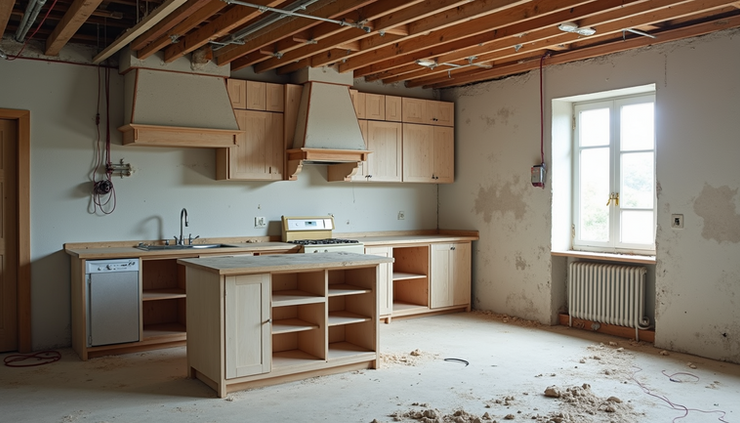
Address Structural Renovation Issues Early
One of the biggest remodel planning pitfalls is ignoring structural or systemic problems before starting design work. Outdated plumbing, old electrical wiring, hidden mold, or rot behind walls can derail your project if discovered too late. These issues often require extensive repairs that affect your timeline and budget.
Before finalizing your design, hire a professional inspector or contractor to evaluate your home’s infrastructure. For example, replacing old galvanized pipes with modern materials can prevent leaks and water damage later. Similarly, updating electrical panels ensures safety and supports new appliances or lighting.
Ignoring these problems can lead to DIY remodeling regrets when you realize your beautiful new kitchen or bathroom needs to be torn apart again to fix hidden damage. Addressing structural renovation issues upfront saves money and stress.
Choose Materials with Durability in Mind
Material selection errors are common when homeowners prioritize looks over function. For high-traffic areas like entryways, kitchens, and family rooms, durability matters more than trendy finishes. Selecting materials that wear well and are easy to maintain prevents early replacements and dissatisfaction.
Order your materials early to avoid delays. Waiting until the last minute can push back your project and force compromises. For example, hardwood flooring or custom cabinetry often have long lead times. Planning ahead ensures you get the quality and style you want without rushing.
Consider these points when selecting materials:
Choose scratch-resistant flooring for busy areas
Pick moisture-resistant paint and finishes in bathrooms and kitchens
Avoid delicate countertops in homes with young children or pets
Balancing aesthetics with durability helps you avoid renovation mistakes that come from poor material choices.
Know When to Call a Professional
DIY remodeling can save money but also leads to regrets when projects go beyond your skill level. Advanced remodeling tips include recognizing when to hire professional remodelers. Complex tasks like electrical work, plumbing, or structural changes require licensed experts to ensure safety and code compliance.
Attempting these yourself can cause costly errors and delays. For example, improper wiring can create fire hazards, and incorrect plumbing can cause leaks and water damage. The true cost of correcting DIY mistakes often exceeds the price of hiring a pro initially.
If you want to do some work yourself, focus on manageable tasks like painting, demolition, or installing fixtures. Leave technical jobs to professionals who bring experience and tools to get the job done right the first time.
Plan for Demolition Impact
Demolition is noisy, dusty, and disruptive. Many homeowners underestimate its impact on daily life. Without proper demolition planning tips, you may face unexpected challenges like poor air quality, noise complaints, or the need for temporary living arrangements.
Prepare your home and family by:
Setting up dust barriers and ventilation
Scheduling noisy work during times that minimize disturbance
Arranging alternative accommodations if the remodel affects essential living spaces
Understanding demolition’s impact helps you avoid remodel planning pitfalls related to comfort and health. It also keeps your project on track by preventing delays caused by unforeseen issues.
Documenting Renovation Changes
Keeping detailed records of your renovation process is an advanced remodeling tip that pays off. Documenting changes helps track progress, manage budgets, and communicate clearly with contractors. Take photos before, during, and after each phase. Save receipts, contracts, and permits.
This documentation proves useful if disputes arise or if you sell your home later. Buyers appreciate transparency about upgrades and repairs. It also helps you stay organized and avoid surprises.
Remodeling involves many moving parts beyond design and decoration. By addressing structural renovation issues early, choosing durable materials, knowing when to hire professional remodelers, planning for demolition impact, and documenting renovation changes, you can avoid renovation mistakes that lead to regrets.


Comments